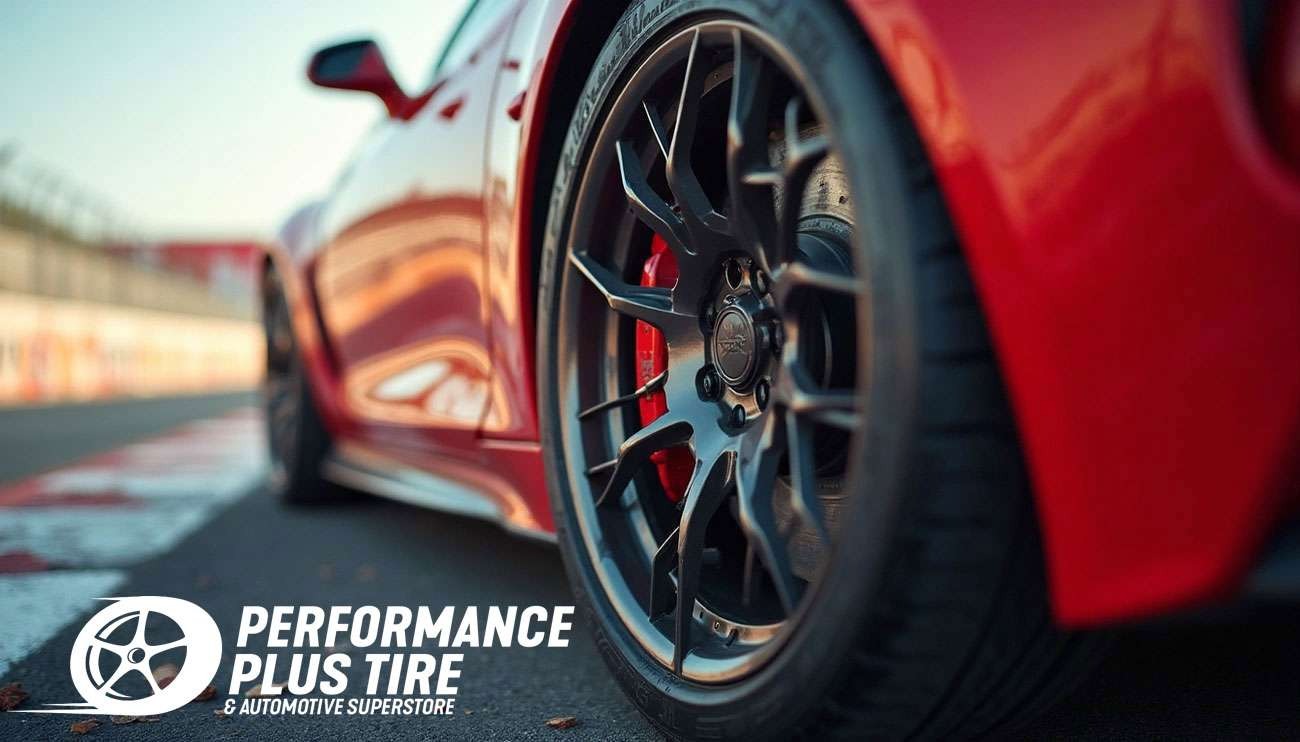
195/65R15 GOODYEAR EAGLE SPORT 2 91V
$ 22.70
Performance Plus Tire offers the Hottest Brands all at deep discount prices. Chrome wheels for your Car, Truck, or SUV
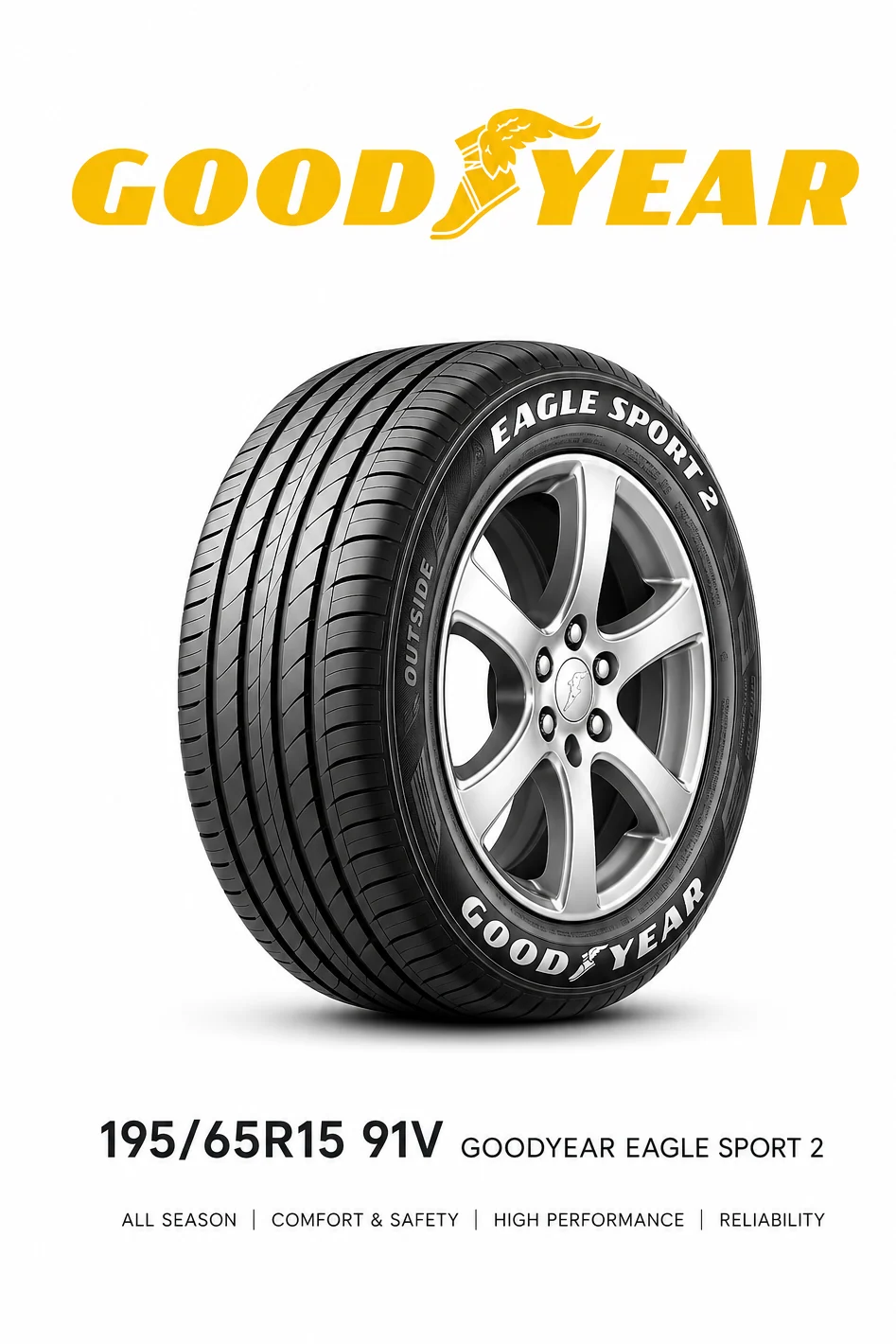
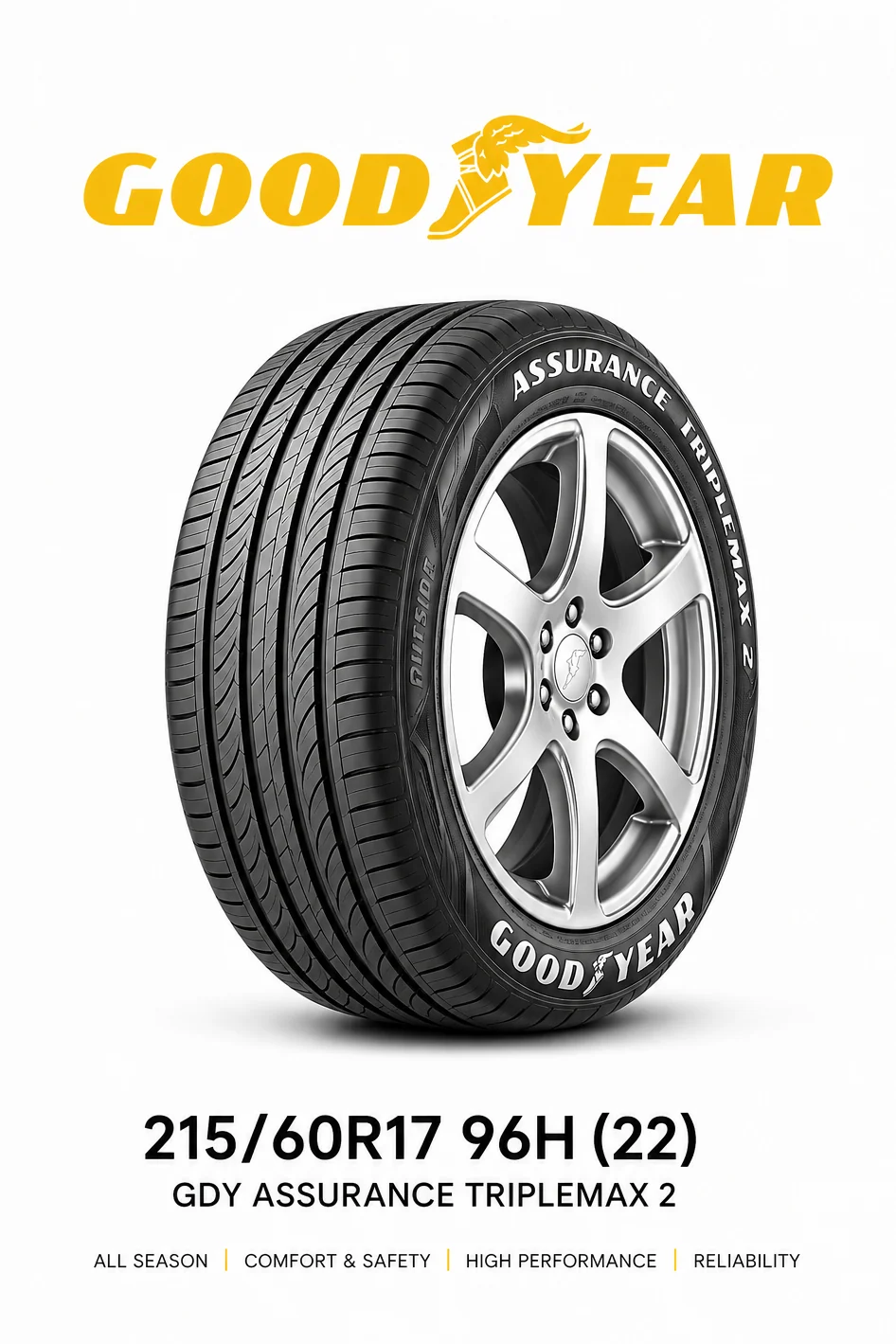
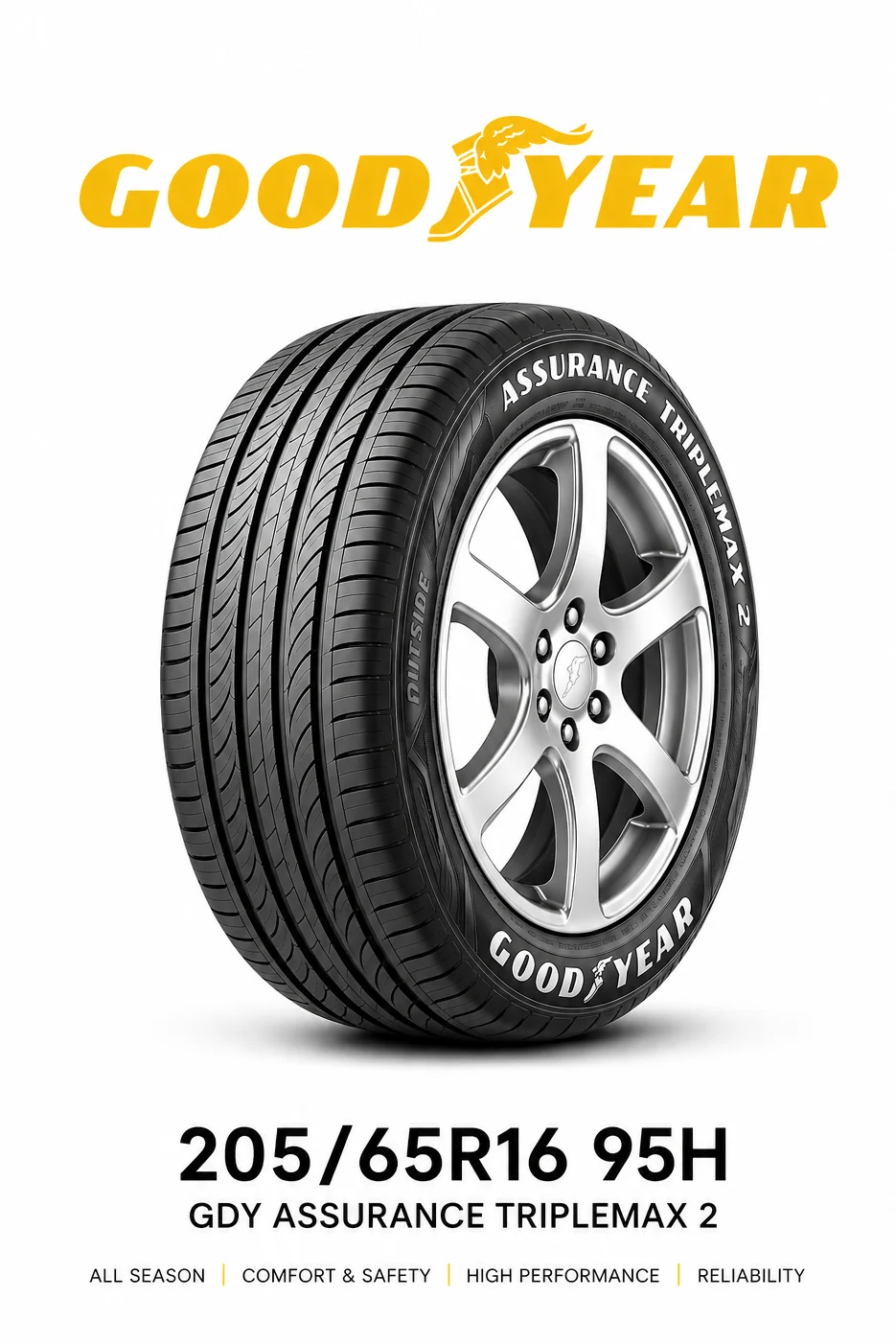
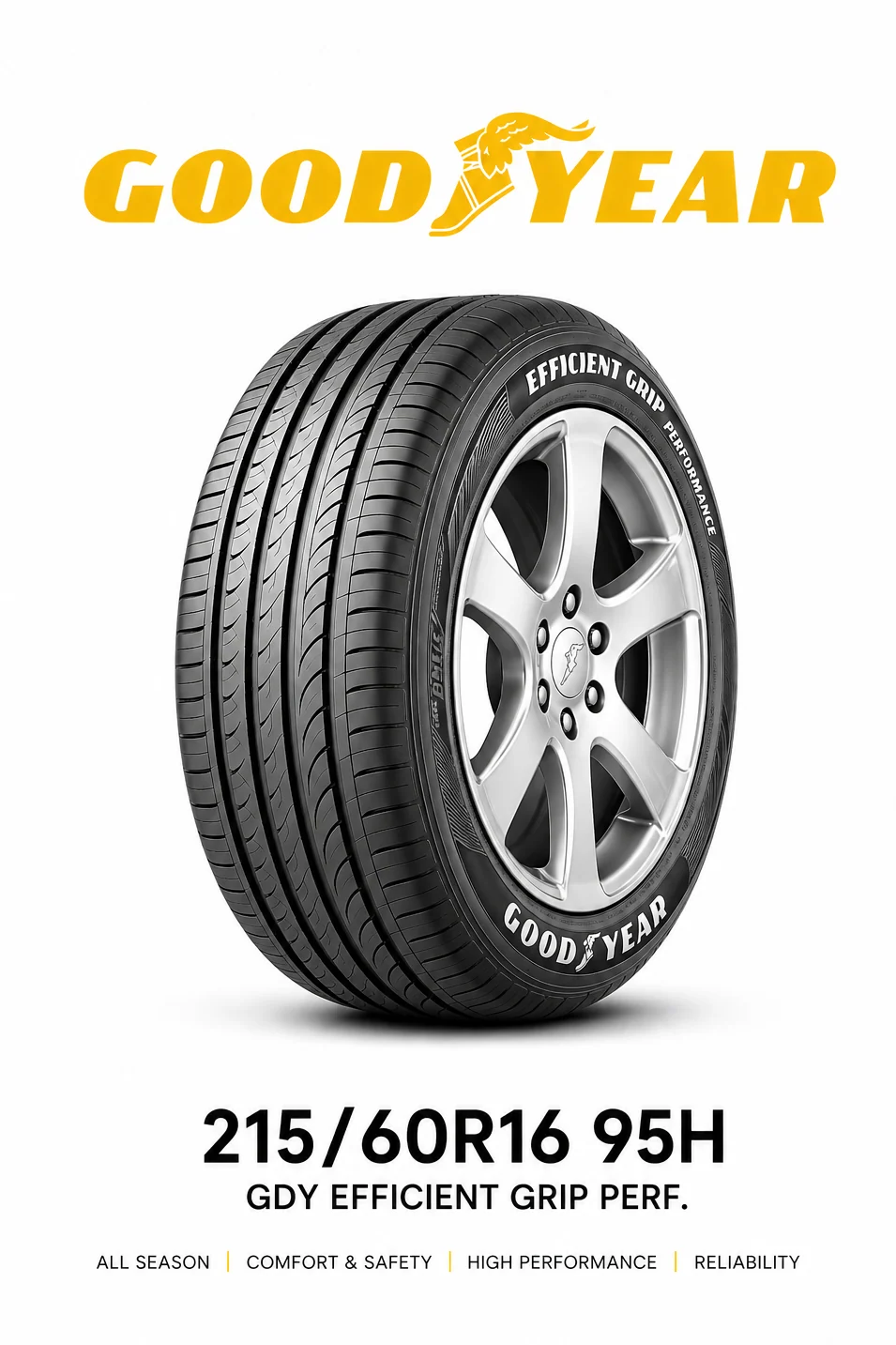
We believe in providing top-notch tires at prices that won’t break the bank.
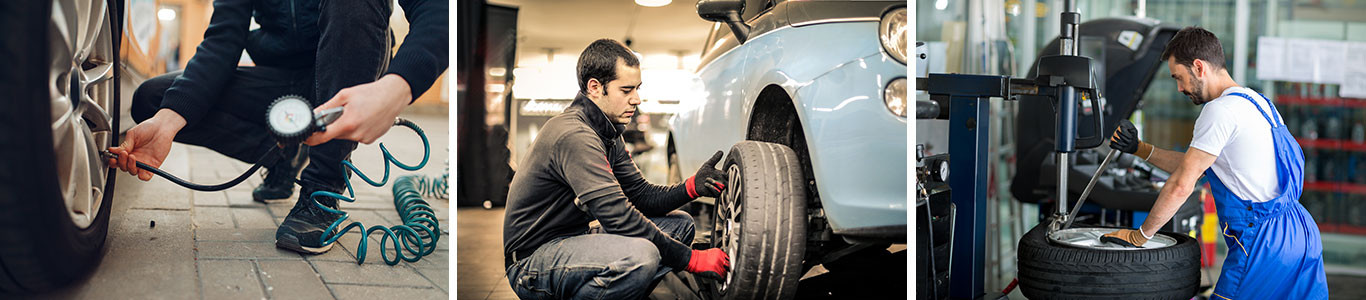
Tires are an essential part of any vehicle, and they play a significant role in ensuring safety, performance, and comfort on the road. Despite their importance, many drivers don't know much about tires beyond their brand and size. That's why we've put together this Tires 101 guide to help you understand everything you need to know about tires.
In this guide, we'll cover the basics of tire construction, how to read a tire sidewall, tire safety, performance, and innovations in tire technology. We'll also answer some frequently asked questions about tires to help you make informed decisions when it comes to buying, maintaining, and replacing your tires. Whether you're a seasoned driver or a new one, this guide will provide you with valuable knowledge about tires that you can use to stay safe and get the most out of your vehicle.
Tires are made up of several different components, each of which plays a crucial role in the tire's performance. Here are the main parts of a tire:
There are several different types of tires available, each designed for a specific purpose. Here are some of the most common types of tires:
When choosing tires for your vehicle, it's important to consider your driving needs and the conditions you will be driving in. A good set of tires can improve your vehicle's handling, safety, and comfort, so it's worth investing in a quality set of tires that are designed to meet your specific needs.
Ensuring tire safety is essential for safe driving. Proper tire maintenance and replacement can help prevent accidents and extend the life of your tires. In this section, we will discuss tire maintenance and replacement.
Regular tire maintenance is crucial for safe driving. Here are some tips to help keep your tires in good condition:
Check tire pressure regularly: Proper tire pressure is essential for safe driving. Check your tire pressure at least once a month and before long trips. You can find the recommended tire pressure in your vehicle owner's manual or on a sticker located on the driver's side door jamb.
Rotate your tires: Regular tire rotation can help extend the life of your tires and improve their performance. We recommend rotating your tires every 6,000 to 8,000 miles.
Check tire tread depth: Worn-out tires can be dangerous, especially in wet or icy conditions. Check your tire tread depth regularly using a tread depth gauge. If your tire tread depth is below 2/32 of an inch, it's time to replace your tires.
Inspect your tires: Regularly inspect your tires for signs of damage, such as cuts, punctures, or bulges. If you notice any damage, have your tires inspected by a professional.
Replacing your tires is essential for safe driving. Here are some tips to help you choose the right tires:
Choose the right size: Make sure to choose tires that are the correct size for your vehicle. You can find the recommended tire size in your vehicle owner's manual or on a sticker located on the driver's side door jamb.
Consider the type of tire: There are different types of tires, such as all-season, winter, and summer tires. Choose the type of tire that is best suited for your driving conditions.
Check the tire ratings: Look for tires that have high safety ratings, such as those provided by the National Highway Traffic Safety Administration (NHTSA).
Replace all four tires: It's best to replace all four tires at once to ensure even wear and optimal performance.
Remember, proper tire maintenance and replacement is essential for safe driving. If you have any questions or concerns about your tires, don't hesitate to contact us.
There are three main types of tire construction: bias-ply, radial, and bias-belted. Bias-ply tires have a diagonal ply pattern, while radial tires have a radial ply pattern. Bias-belted tires combine the two patterns for added strength. Each type of construction has its own benefits and drawbacks, so it's important to choose the right tire for your specific needs.
The numbers on a tire indicate its size, load capacity, and speed rating. The first number represents the tire's width in millimeters, while the second number represents the tire's aspect ratio (the ratio of the tire's height to its width). The third number indicates the tire's diameter in inches. The load index and speed rating are represented by a combination of letters and numbers on the tire.
The most common tire sizes vary depending on the type of vehicle. For passenger cars, the most common sizes are 205/55R16 and 225/45R17. For light trucks and SUVs, the most common sizes are P265/70R17 and LT265/70R17.
When choosing a tire for your vehicle, it's important to consider factors such as driving conditions, load capacity, and speed rating. You should also consider the type of vehicle you have and your driving style. It's recommended that you consult with a tire professional to ensure that you choose the right tire for your specific needs.
Proper tire maintenance is essential for ensuring your safety on the road. It can also help extend the life of your tires and improve your vehicle's fuel efficiency. Regular maintenance tasks include checking tire pressure, rotating tires, and inspecting for damage or wear.
Upgrading your tires can provide a number of benefits, including improved handling, increased traction, and better performance in wet or snowy conditions. It can also improve your vehicle's overall appearance and increase its resale value. When upgrading your tires, it's important to choose a tire that is compatible with your vehicle and meets your specific needs. When you are ready to upgrade we carry a vast selection of upgrade options for you.